Modern hearing aids come in a range of styles, each designed to suit different types of hearing loss, lifestyle preferences, and cosmetic concerns. At SoundClear, we offer all major hearing aid styles from leading manufacturers, ensuring you have genuine choice when selecting the device that is right for you.
The five primary types of hearing aids are Behind-the-Ear (BTE), In-the-Ear (ITE), In-the-Canal (ITC), Completely-in-the-Canal (CIC), and Invisible-in-the-Canal (IIC). Each style has distinct advantages, and the best option depends on your degree of hearing loss, dexterity, ear anatomy, and personal preferences regarding visibility.
The Five Main Hearing Aid Styles
Behind-the-Ear (BTE)
BTE hearing aids sit comfortably behind your ear with a clear tube connecting to a custom earmould inside your ear canal. They are the most versatile style, suitable for all levels of hearing loss from mild to profound. BTE devices offer the most powerful amplification and the longest battery life. Modern BTE hearing aids are remarkably slim and discreet, a far cry from the bulky devices of previous decades. They are easy to handle, making them an excellent choice for people with limited dexterity.
In-the-Ear (ITE)
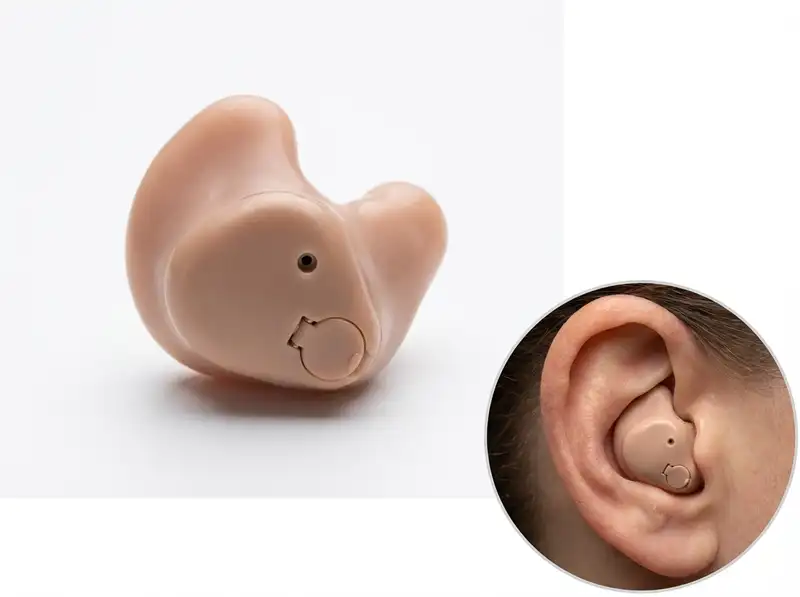
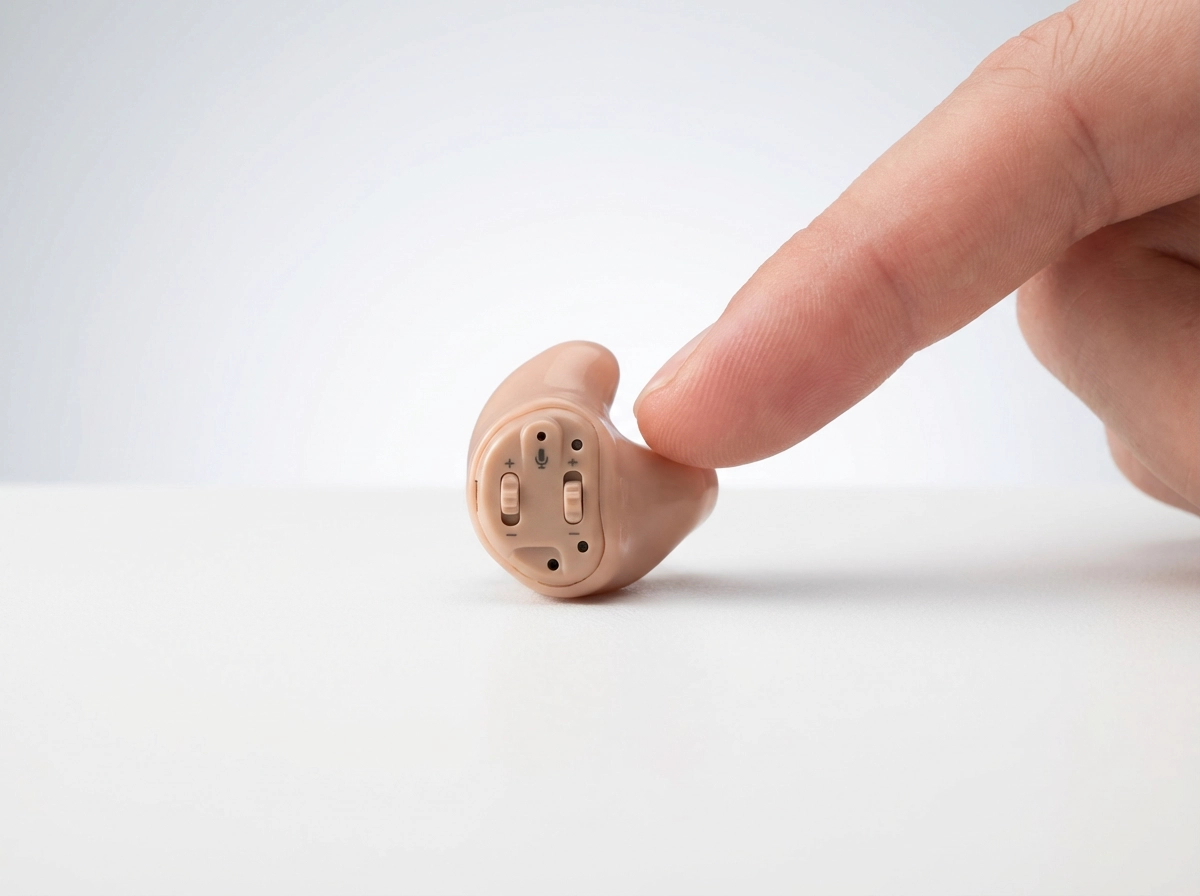
ITE hearing aids are custom-made to fill the outer portion of your ear. Because they are larger than canal styles, they can accommodate more features including manual volume controls, programme buttons, and larger batteries. ITE devices are suitable for mild to severe hearing loss and are easier to handle than smaller styles. The custom shell is made from an impression of your ear, ensuring a comfortable and secure fit that is unique to you.
In-the-Canal (ITC)
ITC hearing aids are smaller than ITE models, sitting partially in the ear canal. They offer a good balance between discretion and functionality. ITC devices are large enough to include advanced features like directional microphones and wireless connectivity, yet small enough to be less noticeable than full-shell ITE models. They suit mild to moderately severe hearing loss and are a popular choice for people who want something discreet but still easy to manage.
Completely-in-the-Canal (CIC)
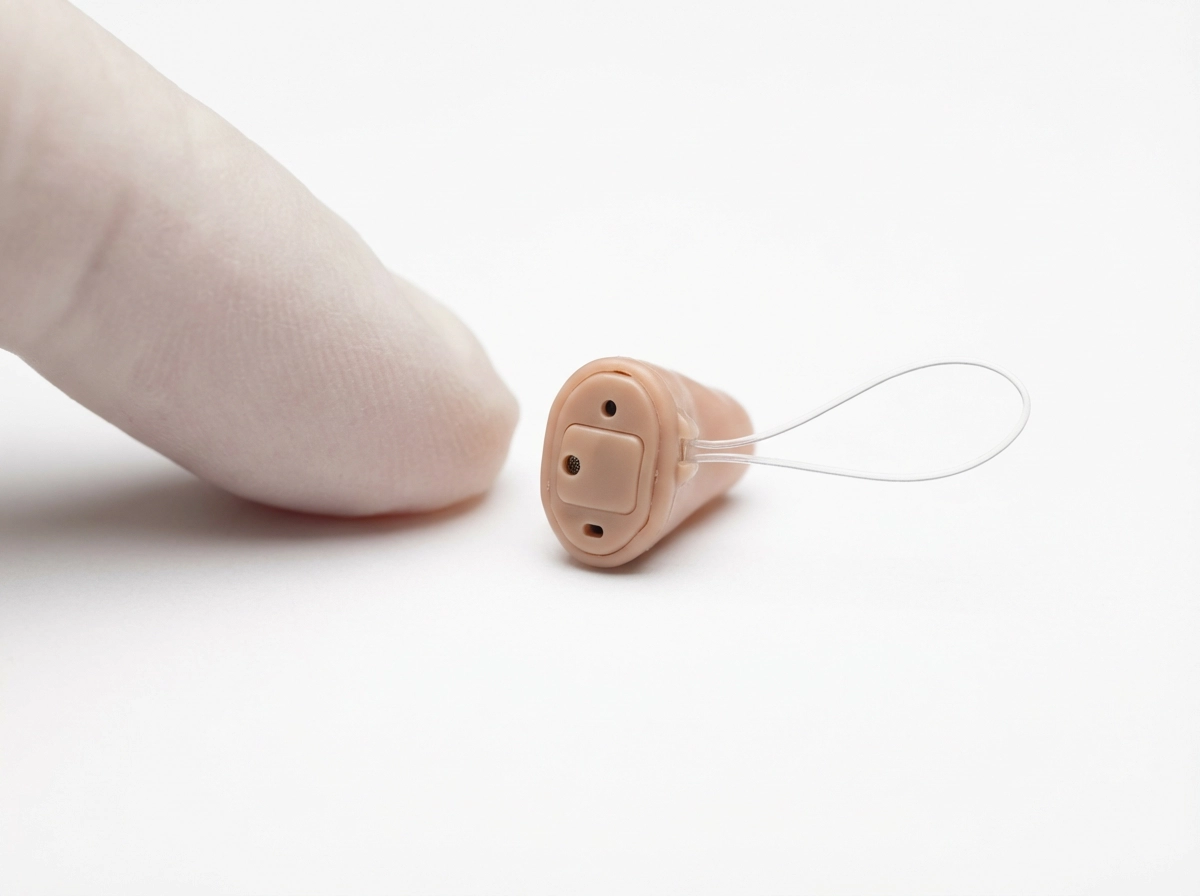
CIC hearing aids fit entirely within the ear canal, making them very difficult to notice. They are custom-moulded to your unique ear canal shape for a secure fit. CIC devices are best suited for mild to moderate hearing loss. Because of their small size, they typically use tiny batteries and may not include advanced features like manual controls. The deep placement within the canal helps reduce wind noise and makes phone use more natural.
Invisible-in-the-Canal (IIC)
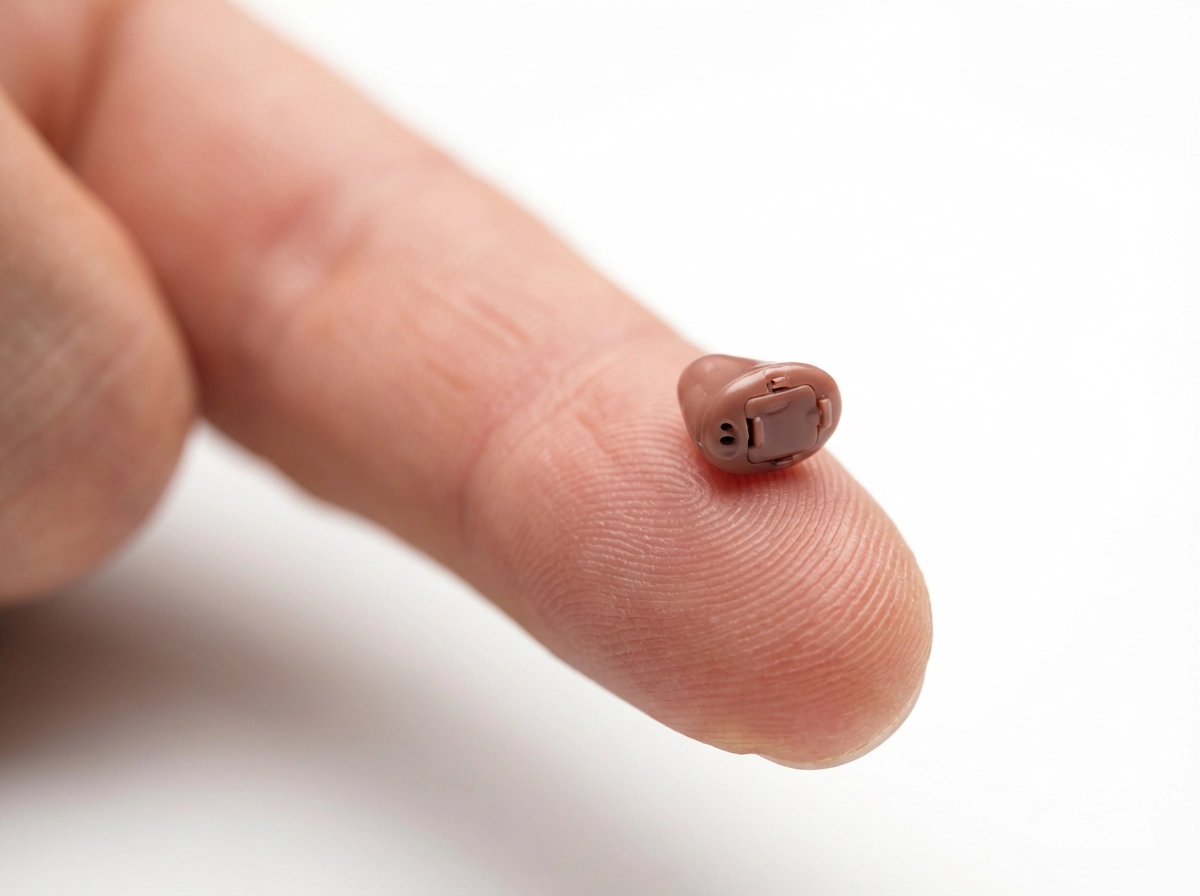
IIC hearing aids are the smallest and most discreet hearing instruments available. Positioned deep within the ear canal, they are virtually invisible to others. IIC devices are ideal for mild to moderate hearing loss and for people who prioritise complete cosmetic discretion. Despite their tiny size, modern IIC hearing aids deliver impressive sound quality. They are removed daily using a small extraction cord. Not all ear canals are suitable for IIC fitting, so a consultation is essential.
Which Hearing Aid Type Is Right for You?
Choosing the right hearing aid style is a personal decision that depends on several factors. Your audiologist will consider your audiogram results, the shape of your ear canal, your manual dexterity, lifestyle requirements, and cosmetic preferences. During your consultation at SoundClear, we will assess all of these factors and recommend the style or styles that best meet your needs.
Mild to moderate hearing loss
All five styles are viable options. Your choice will come down to cosmetic preference and desired features.
Severe to profound hearing loss
BTE styles are generally recommended for maximum power and clarity, though some high-power ITE options exist.
Active lifestyle
Rechargeable BTE or RIC styles with Bluetooth connectivity offer convenience and durability for busy lives.
Dexterity concerns
Larger styles like BTE or ITE are easier to handle, insert, and change batteries for those with limited finger dexterity.